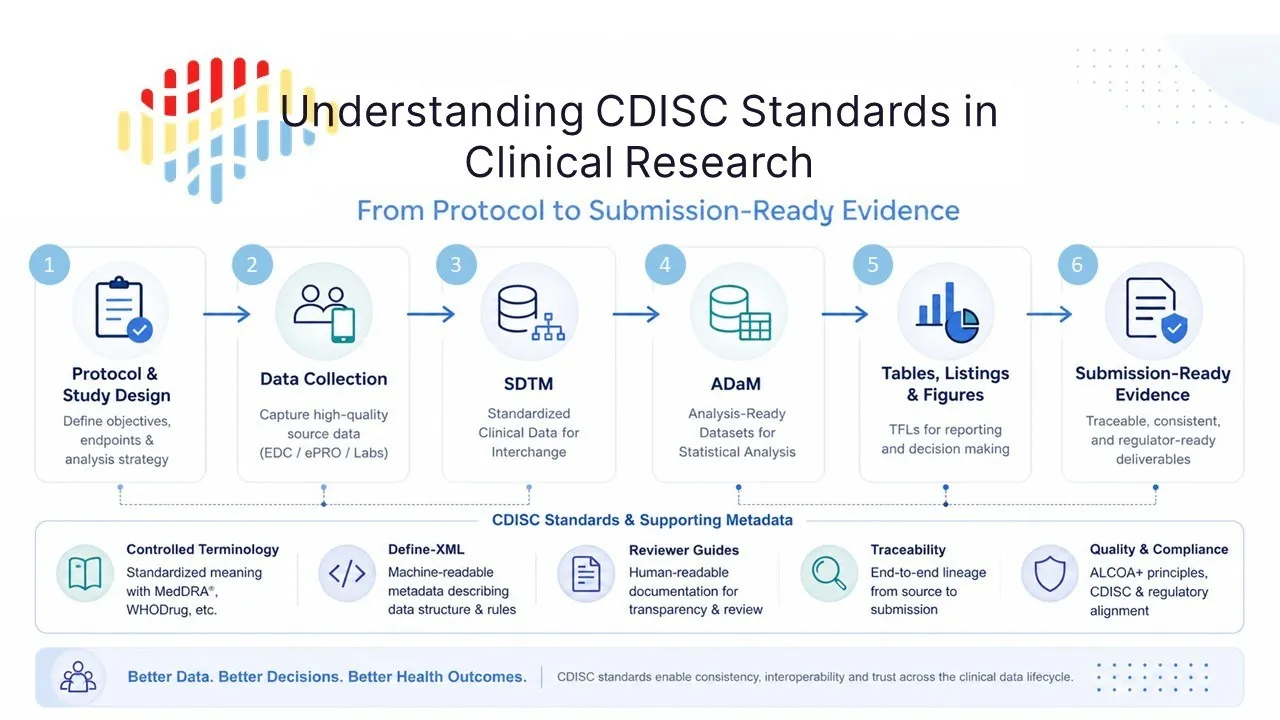
CDISC Implementation: Traceability from SDTM to ADaM
Clinical research generates a large amount of data: protocol-defined assessments, CRF data, laboratory results, adverse events, exposure records, endpoint data, statistical analysis datasets, tables, listings, figures, metadata, and regulatory submission packages. Without standards, every sponsor, CRO, vendor, and system may…
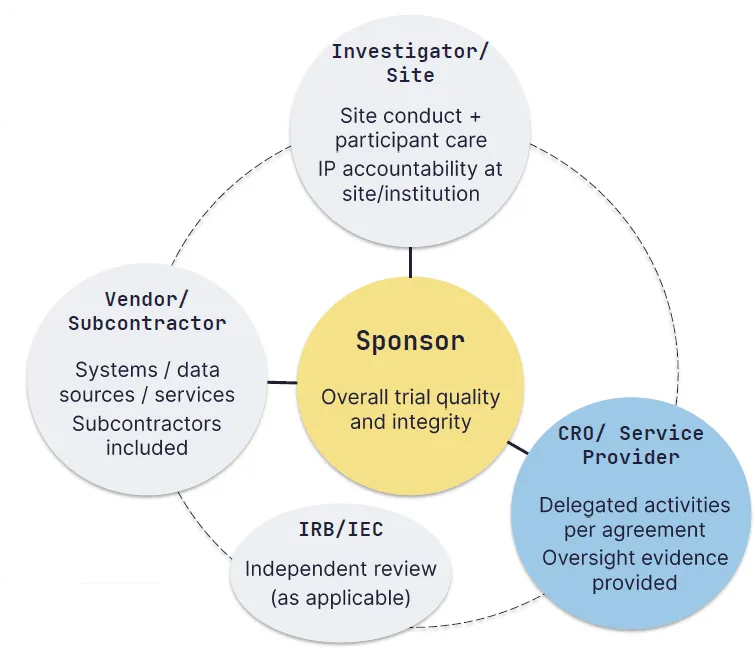
FSP (Functional Service Provider) refers to an outsourcing model
How does a CRO interact with a sponsor? What is project-based delivery, what is FSP, and what hybrid models sit between them? What do the evidence – and real delivery practice – suggest for biometrics teams? In clinical development, outsourcing…
happy new year
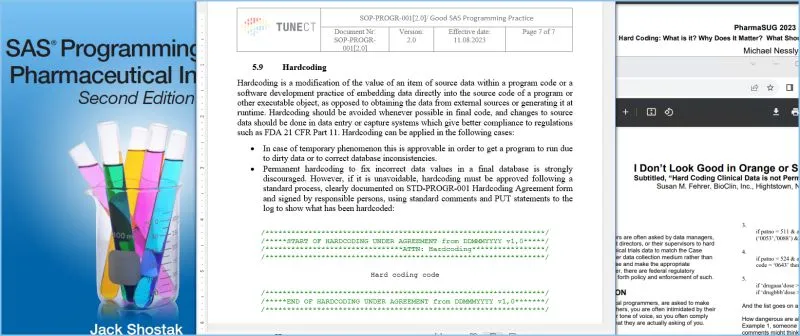
As we step into 2024, what better way to kickstart the year than with a curated list of the 15 BEST books in Biostatistics and Statistical Programming, handpicked by our team! 15 BEST books in Biostatistics and Statistical Programming Primer…
CDISC version 2.0
Still remember the XPT file limitations? Variable names confined to 8 characters, labels capped at 40, and data restricted to 200? If you’re curious about merging metadata with data, like utilizing Define-XML / Define-JSON, we’ve got some exhilarating news for…
Analysis of Covariance
Analysis of Covariance (ANCOVA) is a statistical technique used to examine whether population means of a dependent variable are equal across different levels of a categorical independent variable, while statistically controlling for the effects of other continuous variables known as…
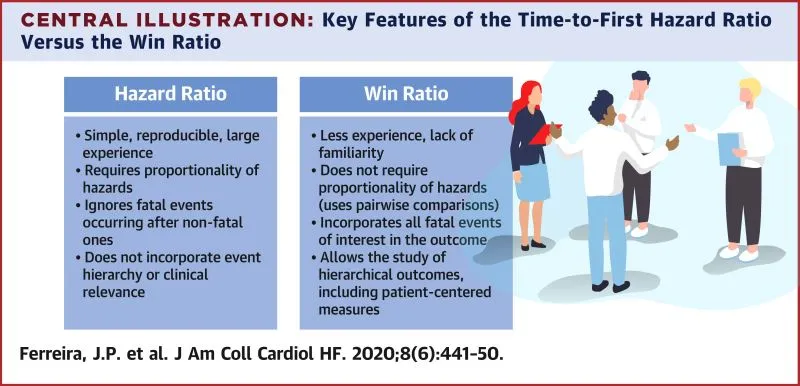
Win Ratio and Hazard Ratio
Welcome to Part 2 of our series on the “Win Ratio” methodology in clinical trials! Today, we explore the key differences between the Win Ratio and Hazard Ratio, examining their definitions, clinical trial design, endpoints, interpretation, application, focus, and type…
Menu