Insights · Breast Cancer Research Month 2026

Beyond the Pink Ribbon: what breast cancer trials ask of biometrics, data and clinical development teams

During Breast Cancer Research Month 2026, TUNECT shared a five-part LinkedIn series on themes that matter in breast cancer research — from disease heterogeneity and ctDNA to patient-reported outcomes, hidden subgroups and representativeness.

This page brings those ideas together and connects them to the practical work of trial design, analysis, data strategy and reporting.

A professional reflection on the work behind the awareness symbol.
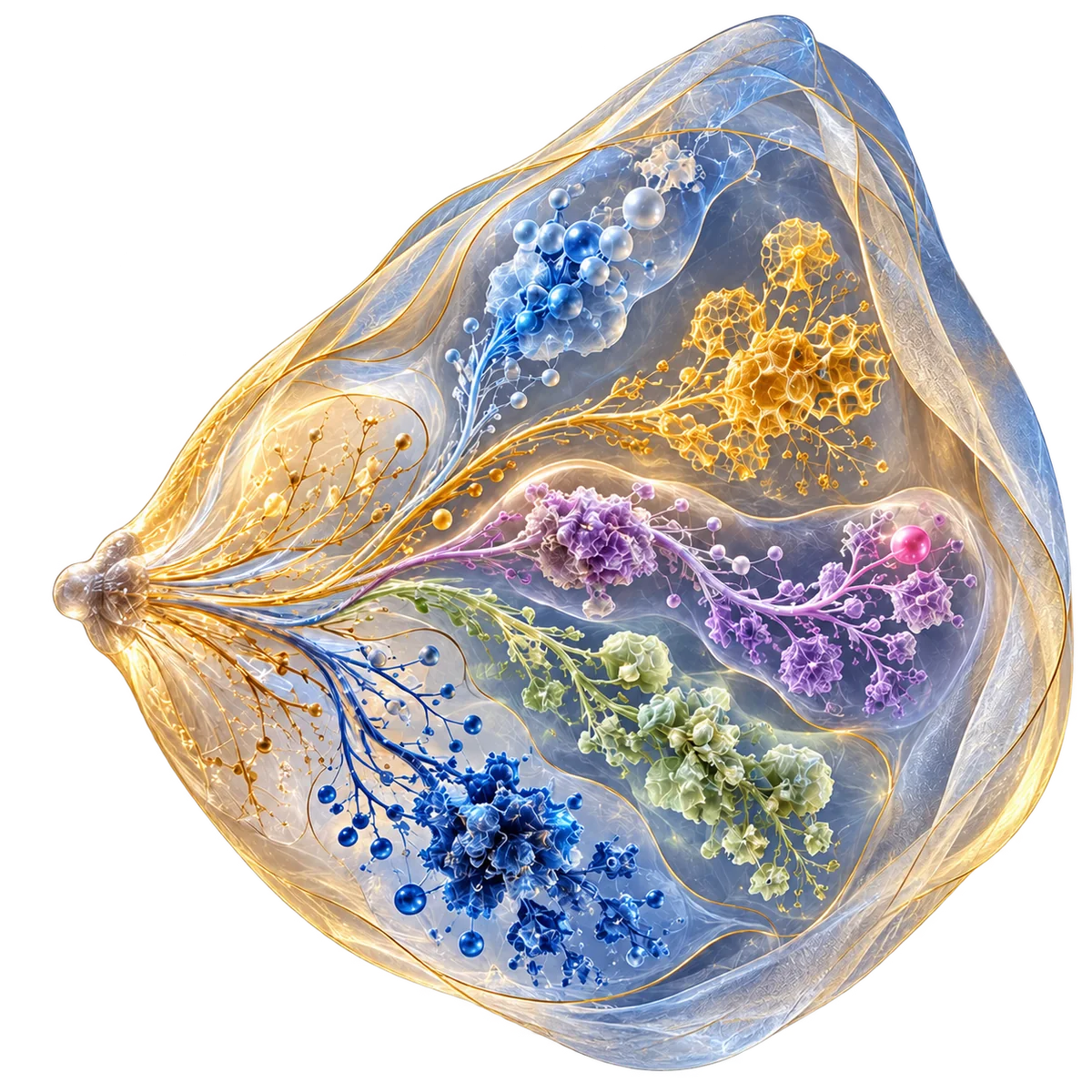
Conceptual illustration of breast cancer disease heterogeneity

From awareness to evidence

Visibility matters. So does the quality of the evidence behind it.

The Pink Ribbon has helped keep breast cancer visible in public conversation. Inside clinical development, the challenge is different: turning biological complexity, patient experience and heterogeneous data into evidence that can withstand review and support decisions.

Breast cancer repeatedly reminds us that a single diagnosis can contain several biological routes, that conventional outcomes and patient experience may not move together, and that the population entering a trial is shaped by the criteria we choose.

That is why strong clinical development support matters. Medical insight needs to be matched by robust biostatistics, reliable data structures, careful endpoint strategy, reproducible programming and clear documentation.

Beyond the Pink Ribbon · 01–05

Five signals from the series

Each post focused on one idea. Together, they show why breast cancer studies often require more than routine execution: the structure of the evidence matters as much as the final output.

Conceptual illustration of heterogeneous biological routes in breast cancer
WEEK 01 / 05

Disease heterogeneity

One diagnosis can contain several biological routes.

Breast cancer is not a single analytical story. Biological subtype, treatment pathway and disease context can reshape how signals appear in the data. A pattern that looks consistent in a top-line summary may behave differently once clinically meaningful subgroups are considered.

For trial teams, this affects endpoint strategy, stratification logic, subgroup planning and interpretation. It also changes how results should be communicated: an overall estimate is important, but it does not always tell the whole story.

TUNECT perspective: analysis strategy should follow the structure of the disease rather than treating the dataset as homogeneous by default.

Conceptual illustration contrasting imaging with a changing ctDNA signal
WEEK 02 / 05

ctDNA

The scan may stay quiet while the blood signal changes.

When different data sources change on different timelines, the analytical and operational challenge is not simply to collect more data. Timing, assay integration, data transfer, reconciliation and interpretation all become part of the evidence story.

For trial delivery, biomarker data, imaging data and clinical outcomes need structures that allow them to be reviewed together. Otherwise, technically valid data streams can remain disconnected when the scientific question requires integration.

TUNECT perspective: multi-source oncology data benefit from data models, analysis plans and programming workflows designed together rather than sequentially.
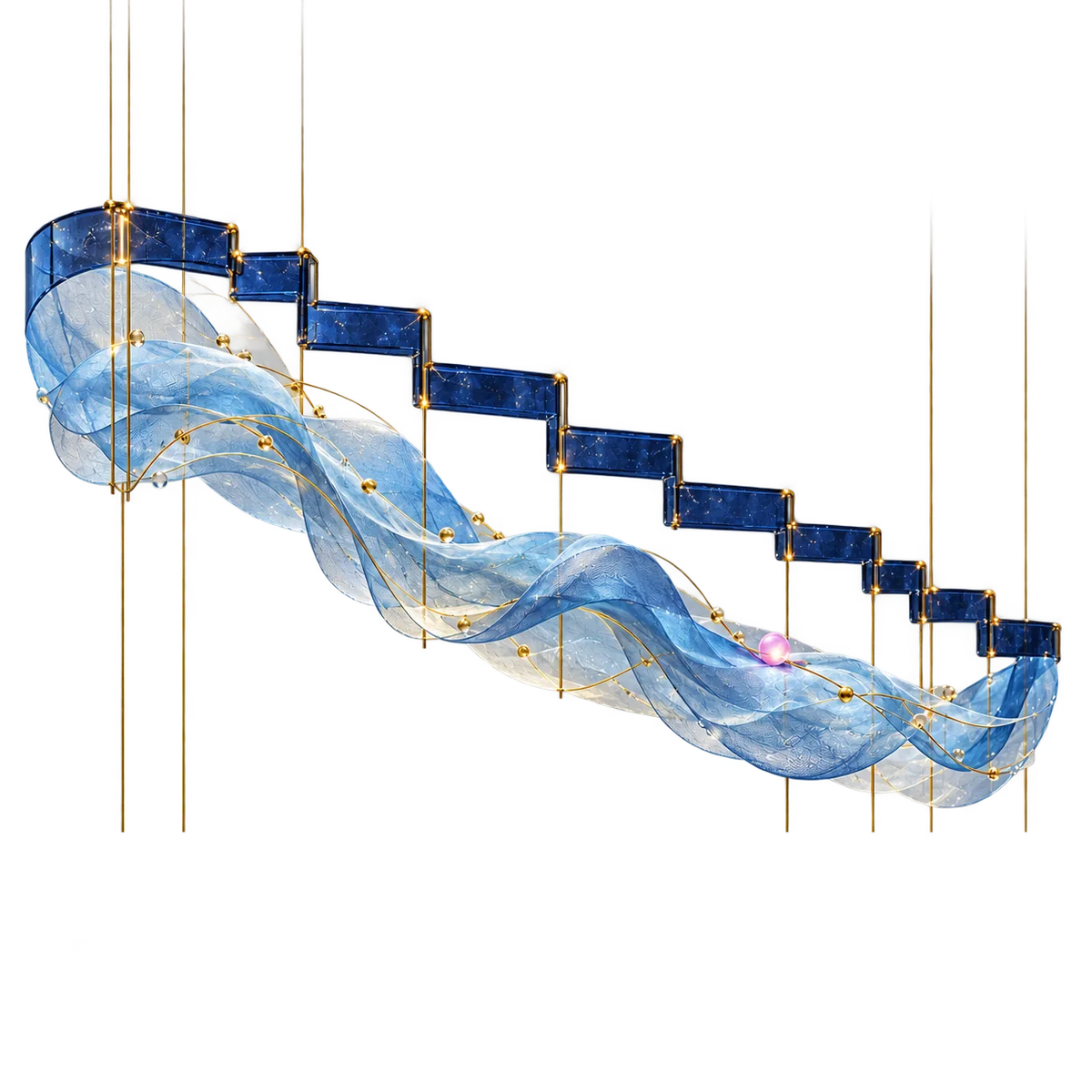
Conceptual illustration of clinical outcome and patient-reported outcome trajectories
WEEK 03 / 05

Patient-reported outcomes

Clinical outcome and patient experience follow different trajectories.

Tumour response and patient experience do not necessarily answer the same question. Symptoms, functioning and quality of life can change in ways that remain important even when conventional efficacy endpoints dominate the clinical narrative.

PRO strategy therefore deserves planning rather than late-stage reporting. Endpoint definition, assessment timing, missing-data handling and interpretation all influence whether patient-reported data become genuinely informative.

TUNECT perspective: biostatistics, programming and medical writing need to preserve the distinction between clinical outcome and lived patient experience while keeping both analytically coherent.
Conceptual illustration of a hidden subgroup trajectory within an overall curve
WEEK 04 / 05

ILC and the hidden subgroup

The average curve can hide the subgroup that matters.

Subgroup questions are often where breast cancer research becomes analytically most interesting — and most fragile. If an overall result dominates the narrative, clinically meaningful patterns in a smaller population can be difficult to see.

This is not an argument for indiscriminate subgroup searching. It is an argument for biologically informed planning, prespecified analyses where appropriate, transparent sensitivity work and disciplined interpretation.

TUNECT perspective: subgroup analysis is strongest when the statistical question, programming implementation and reporting language are aligned before results are interpreted.
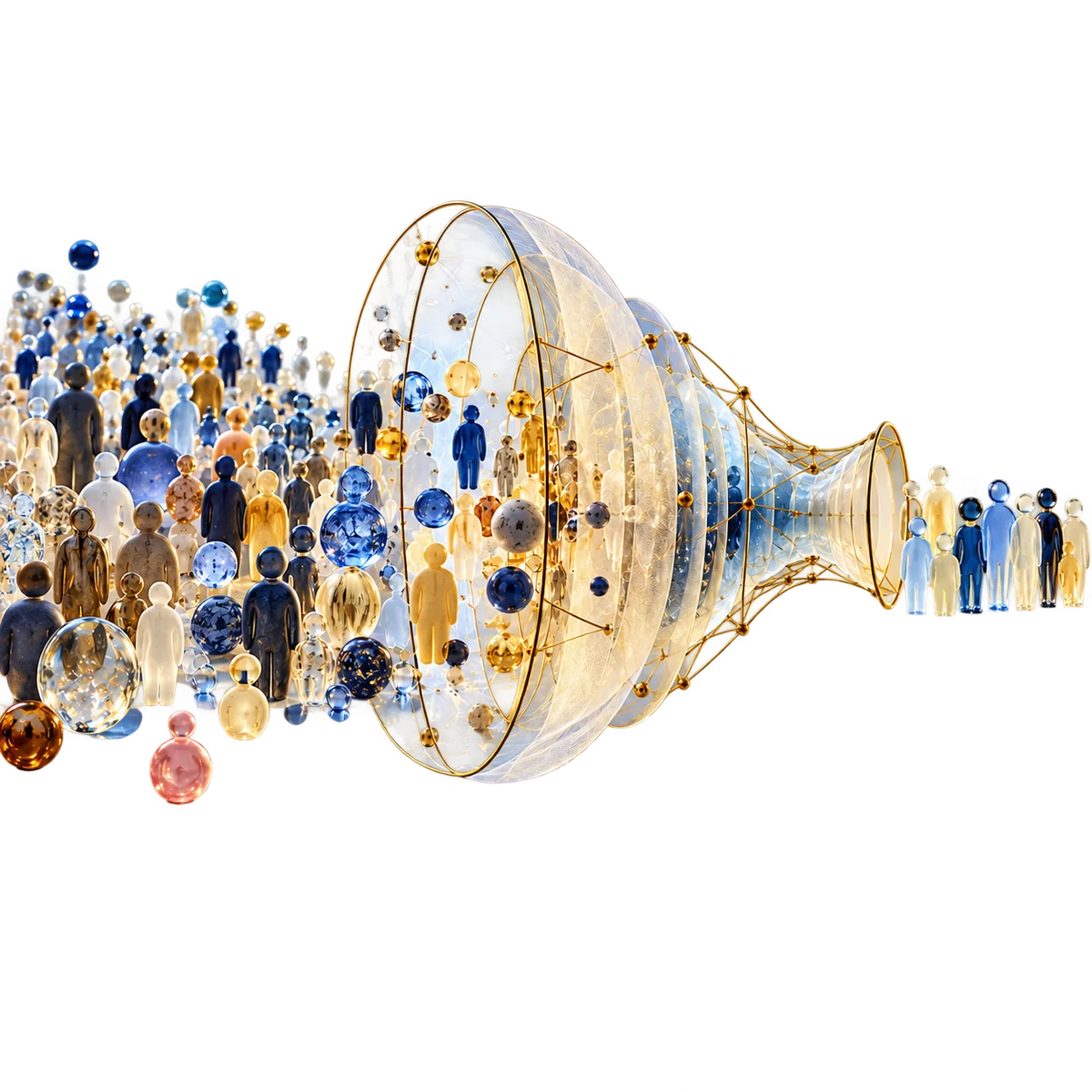
Conceptual illustration of trial eligibility filtering a broader population
WEEK 05 / 05

Eligibility and representativeness

Eligibility criteria reshape the population entering the evidence base.

Every inclusion or exclusion criterion influences who contributes to the evidence. That matters for recruitment, interpretability and the relationship between the trial population and the patients who may later be considered in clinical practice.

Representativeness is therefore not only a recruitment question. It is also a design, data and reporting question: the limits of the evidence need to remain visible when results are analysed and communicated.

TUNECT perspective: statistical thinking, transparent data standards and clear medical writing help make the composition — and limitations — of the evidence base understandable.

Clinical delivery

Where TUNECT adds value in breast cancer programs

Breast cancer studies can combine complex efficacy endpoints, biomarker streams, patient-reported outcomes, subgroup questions and demanding documentation. TUNECT supports these programs through coordinated clinical biometrics delivery.

Biostatistics

Study design support, endpoint and estimand strategy, sample-size input, subgroup and sensitivity analysis planning, SAP development, longitudinal modelling and clinically grounded interpretation.

Explore Biostatistics →

Statistical Programming & CDISC

SDTM and ADaM development, TFL programming, define.xml, reviewer guides, independent QC and submission-ready support for complex oncology datasets.

Explore Statistical Programming →

Clinical Data Management

CRF/eCRF support, data cleaning, query management, medical coding, reconciliation and structured handling of multi-source trial data, including vendor and biomarker-relevant workflows.

Explore Clinical Data Management →

Medical Writing

Protocol and CSR support, endpoint documentation, cross-document consistency and clear communication of analytical and clinical findings.

Explore Medical Writing →

LinkedIn series

Beyond the Pink Ribbon · 2026

The five-post series was published during Breast Cancer Research Month. The original posts provide the shorter social-media perspective behind the themes explored here in more detail.

01 / 05
Disease heterogeneity
View post →
02 / 05
ctDNA
View post →
03 / 05
Patient-reported outcomes
View post →
04 / 05
ILC and the hidden subgroup
View post →
05 / 05
Eligibility and representativeness
View post →

Why this matters

Beyond the symbol is the work of building better evidence.

Pink Ribbon visibility matters because it keeps attention on a disease area that continues to affect patients, families and clinical teams around the world.

But the work behind better evidence is usually quieter: better endpoint thinking, better data structures, better analysis, better documentation and better interpretation.

That is where specialist support makes a difference.

Breast cancer trials are important not only because the disease is visible. They remain scientifically demanding programs in which biological diversity, patient experience and the composition of the study population can materially shape what the evidence means.

Working on an oncology or breast cancer study?

TUNECT supports complex clinical development programs through biostatistics, statistical programming & CDISC, clinical data management and medical writing.

Menu